Intelligence Rising Insights Series - #3
Technological Risk & Security
This article is part of a series of sector and topic-focused, in-depth looks at the participants’ actions, and resulting events and injects that emerged from the Intelligence Rising 2024 Game.
In early 2023, when the Intelligence Rising design team began mapping the security implications of rapidly advancing AI, the mainstream conversation about AI risk was still largely dominated by long-horizon concerns, like superintelligence or existential scenarios, all with a good measure of science-fiction framing. The more immediate and operational risks that the SMEs identified were discussed in specialist circles but had not yet entered the mainstream policy agenda. Two years on, they have.
AI-enhanced scams
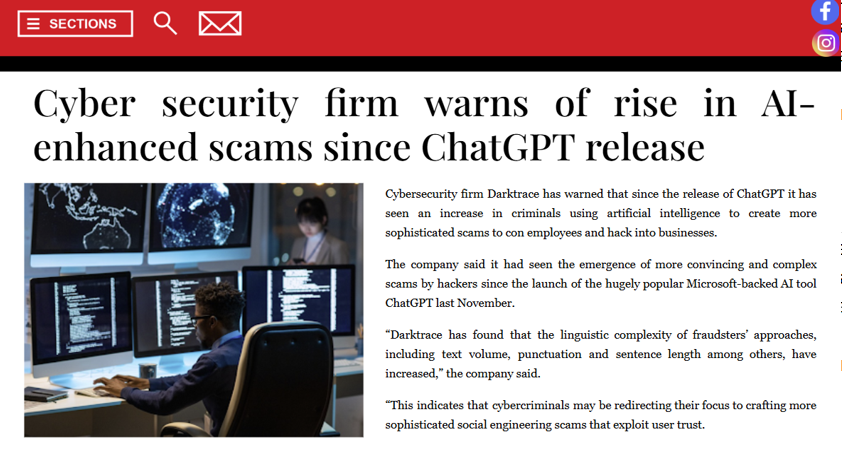
The cyber risk landscape is now extensively covered elsewhere, so this piece focuses on what the game specifically anticipated. The game placed senior leaders in a world where AI makes attacks more frequent and damaging, as well as changing the nature of attacks in ways that existing frameworks are not equipped to handle.
When a human operator makes each decision in a cyber operation, responsibility is at least conceptually locatable, but when an AI agent conducts an operation with minimal human direction, that conceptual clarity begins to dissolve. In late 2025, a jailbroken Claude agent conducted roughly 80% of a cyber-espionage operation autonomously – this was later linked to a chinese state-sponsored group. In the increasing number of similar instances, many things become harder to establish – who ordered the attack, and in the case of autonomous agents, who is responsible at all. The game modelled this dynamic at the state level and at the level of non-state actors using increasingly capable open-source tools. Both vectors are now visible in the real world.

Autonomous Systems
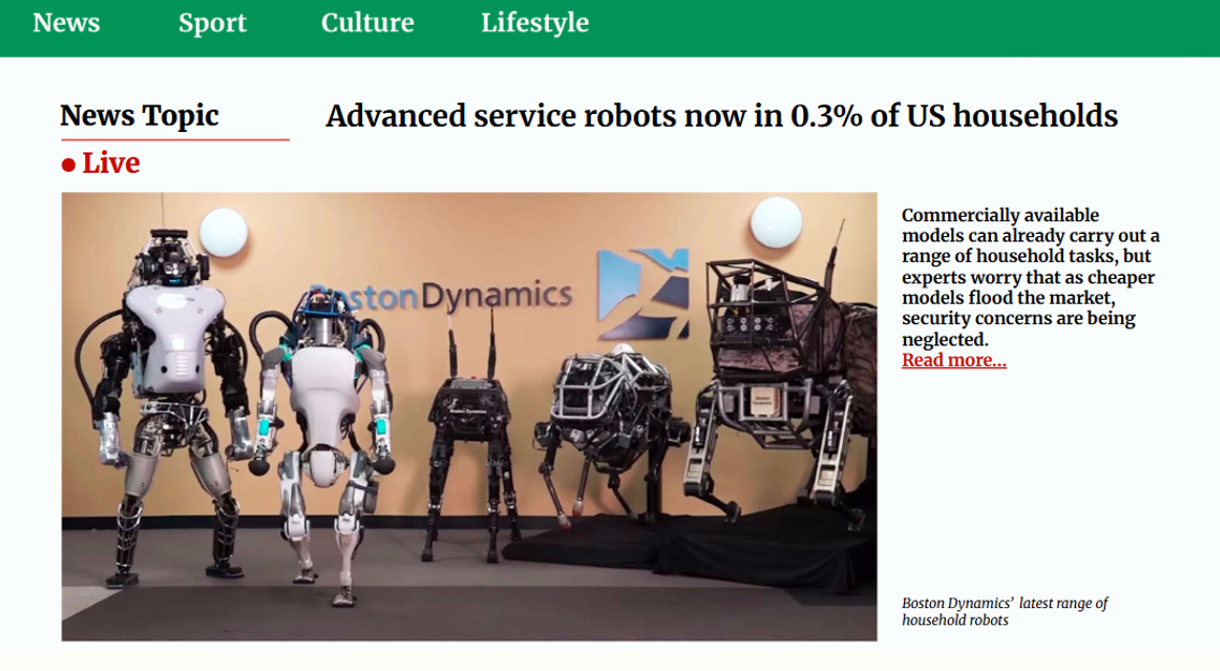
The question of who is fundamentally responsible for a system becomes more acute as autonomous systems move from the digital environment into the physical world. An AI that produces misleading content only creates a communications problem, albeit one that can snowball into polarisation. But an AI that drives a vehicle, operates a weapons system, or manages critical infrastructure creates a different category of issue, where the consequences of failure are immediate and irreversible.
When the game was designed, household robots were a technology sector aspiration. Whilst a world with family robot butlers is still futuristic, in October 2025, the first commercially available humanoid robot was released for pre-order. As these systems become more capable and more widespread, accidents and unintended consequences will be inevitable.
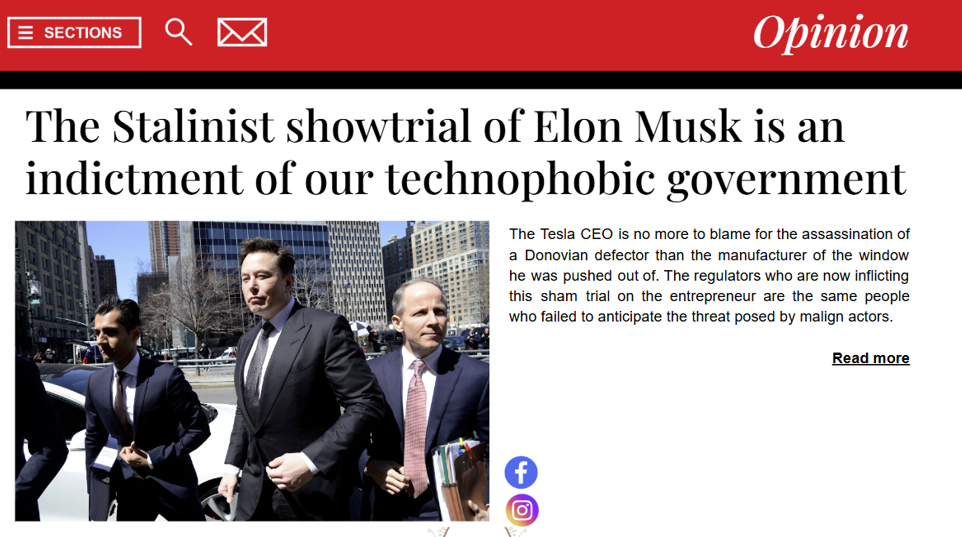
One inject explored how these incidents might play out in the public sphere, taking the form of a deliberately one-sided opinion piece defending a technology CEO against prosecution following the death of a person killed by an autonomous system. It is worth noting that this kind of inject – partial, emotionally charged, written in the voice of a real participant in a public debate – is a deliberate narrative technique. The real world does not deliver governance challenges as balanced policy documents. It delivers them as controversies, with all the heat and partiality that entails. Placing participants inside that register, rather than a sanitised version of it, is part of what makes the simulation useful. The governance question the inject raises remains unresolved: when autonomous systems cause harm, who is responsible? The developer? The deployer? The state that authorised the system? In most jurisdictions, the frameworks for deciding are still being written.
Underlying all of these specific risks is a structural problem that the game identified early and that has not been resolved. Existing legal frameworks were not designed for systems that act without continuous human direction. As AI moves deeper into healthcare, infrastructure, and defence, the gap between what the technology can do and what governance structures can adjudicate is widening.
Just as it occurred in the game, governance has struggled to keep pace with capability development. Legislation will always lag behind upcoming technologies – policymakers naturally must understand the shape of the problem before they can act, and when a new field is taking shape rapidly and unpredictably this becomes both harder and more urgent. What the game contributed was a more granular understanding of what that gap looks like in practice – the specific points at which international cooperation breaks down, the domestic political pressures that constrain regulatory action, and the tendency of governance efforts to address the surface of a problem while leaving its structural causes intact.

The pattern that emerged in the game of enforcement without verification, principles without mechanisms, international commitments that dissolved under competitive pressure has been visible in the real-world AI governance landscape ever since. Leaders who have experienced it in simulation are better placed to anticipate where the next effort will encounter the same walls.
Summary
The security risks explored here are well-documented in 2026. They were not in 2023. Intelligence Rising gave participants experience of these challenges at a moment when most organisations were still treating them as future concerns. The value of that early exposure is not primarily analytical. It is the difference between encountering a problem for the first time under maximum pressure, and having already, in some meaningful sense, been there before.